
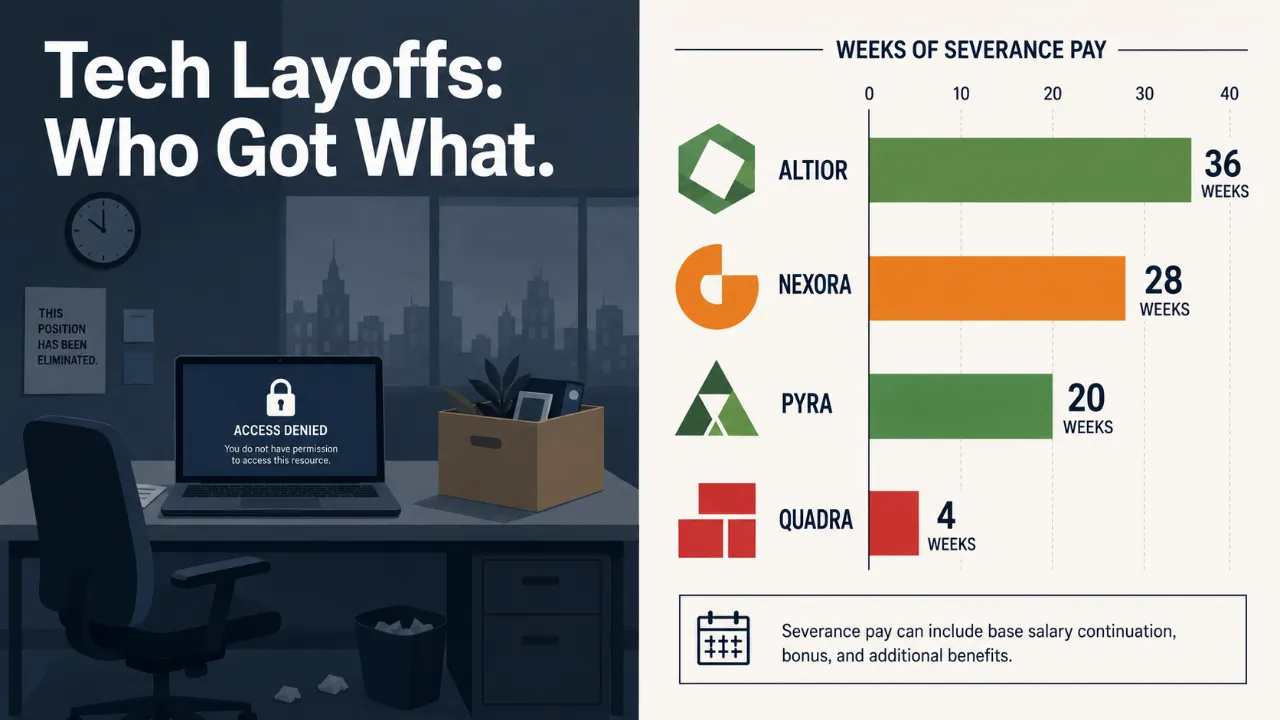
Oracle layoffs severance package: When Oracle cut hundreds of jobs, employees found out by getting locked out of systems. What followed revealed just how little protection tech workers have when the market turns. For many Oracle employees, the layoff news didn’t come in a meeting or a call with HR. It came when they tried to log in. One worker described the moment to TechCrunch: they went to connect to the company VPN and got an error saying the account didn’t exist.
A quick check with a colleague confirmed it — their Slack profile had been wiped. The email confirming termination came shortly after. Within a few days, the severance offer landed. And that’s where things got complicated.
What Oracle actually offered
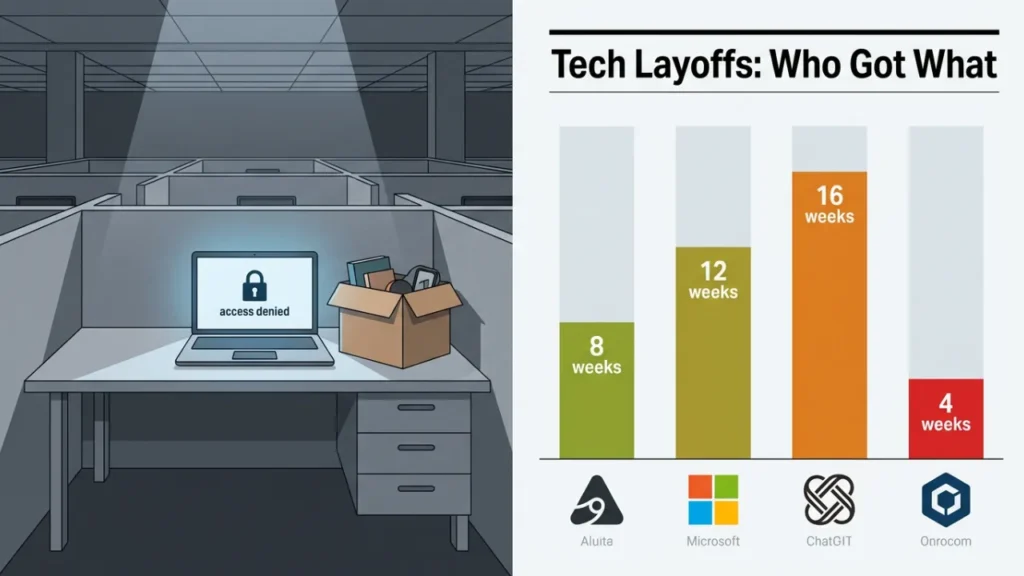
Oracle’s package followed a fairly standard corporate playbook: four weeks of base pay for the first year of service, plus one additional week per year, capped at 26 weeks. Employees also received one month of COBRA health insurance coverage — in exchange for signing a release waiving their right to sue the company.
“One long-tenured employee lost $1 million in unvested stock that was just four months from vesting — RSUs made up roughly 70% of his total compensation.”
The biggest sticking point was stock. At Oracle — as at most major tech companies — Restricted Stock Units (RSUs) make up a significant portion of total compensation. Oracle did not accelerate any unvested RSUs. If your shares hadn’t vested by the day you were terminated, you forfeited them. Full stop. That applied even to stock grants tied to retention bonuses or salary increases from promotions, Time reported.
Also read;
Elon Musk’s Solar Vision Is Shifting From Earth to Space
West Ham Relegated Despite 3-0 Win Over Leeds on Premier League Final Day
Kyle Busch Sought Medical Attention During Race Weeks Before His Death
The remote worker classification loophole
Some employees also ran into a classification problem they didn’t see coming. Workers who were listed in Oracle’s systems as remote employees — even if they regularly came into a nearby office on a hybrid schedule — were told they didn’t qualify for WARN Act protections, unless they happened to live in a state like California or New York with stronger worker provisions.
What is the WARN Act? The Worker Adjustment and Retraining Notification Act requires companies conducting mass layoffs to give employees 60 days’ advance notice before termination. It applies when 50 or more people at a single location are affected. By classifying workers as remote, companies can argue that no single location crosses the employee threshold — sidestepping the requirement entirely.
And for those who were covered by WARN Act protections? It didn’t necessarily mean extra pay. Oracle structured its severance so that the two-month WARN notice period was folded into — not added on top of — its existing four-weeks-plus-one-week-per-year formula.
Employees pushed back – and lost
A group of laid-off Oracle workers tried to change the terms. At least 90 people signed a public petition asking Oracle to bring its severance in line with what other major tech companies were offering during their AI-driven workforce reductions. According to a letter reviewed by TechCrunch, the group attempted to negotiate collectively with Oracle.
Oracle said no. It was a take-it-or-leave-it situation, according to a former employee familiar with the negotiations. The company also declined to respond when contacted about its severance terms, its remote classification practices, or the failed employee negotiations.
What this really means for tech workers
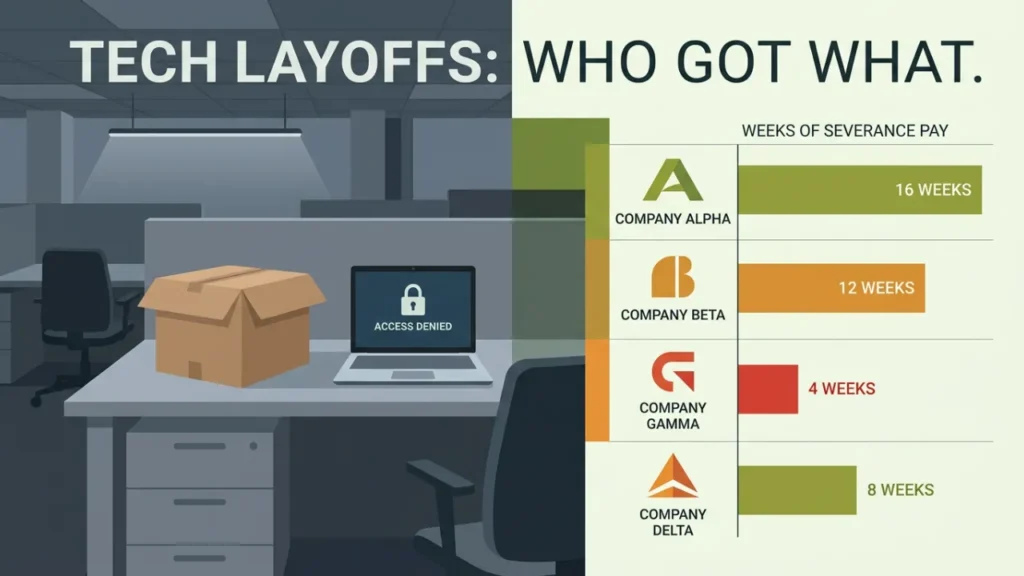
The Oracle situation puts a spotlight on something the tech industry rarely talks about openly: the gap between what workers are promised during good times and what they’re actually owed when things go south.
When the job market is hot and companies are competing for talent, RSUs and performance bonuses feel like solid compensation. But most of that value is contingent — it vests on a schedule, and it disappears the moment you’re terminated before the clock runs out. Without legal protections requiring acceleration, laid-off employees have little recourse.
The WARN Act loophole around remote worker classification adds another layer of risk, particularly for hybrid employees who may not even know how they’re categorized in HR systems. Checking your official employment classification before a layoff season — not after — is no longer just good advice. It may make a significant financial difference.
3 thoughts on “Oracle Layoffs Terms Left Workers Blindsided”