
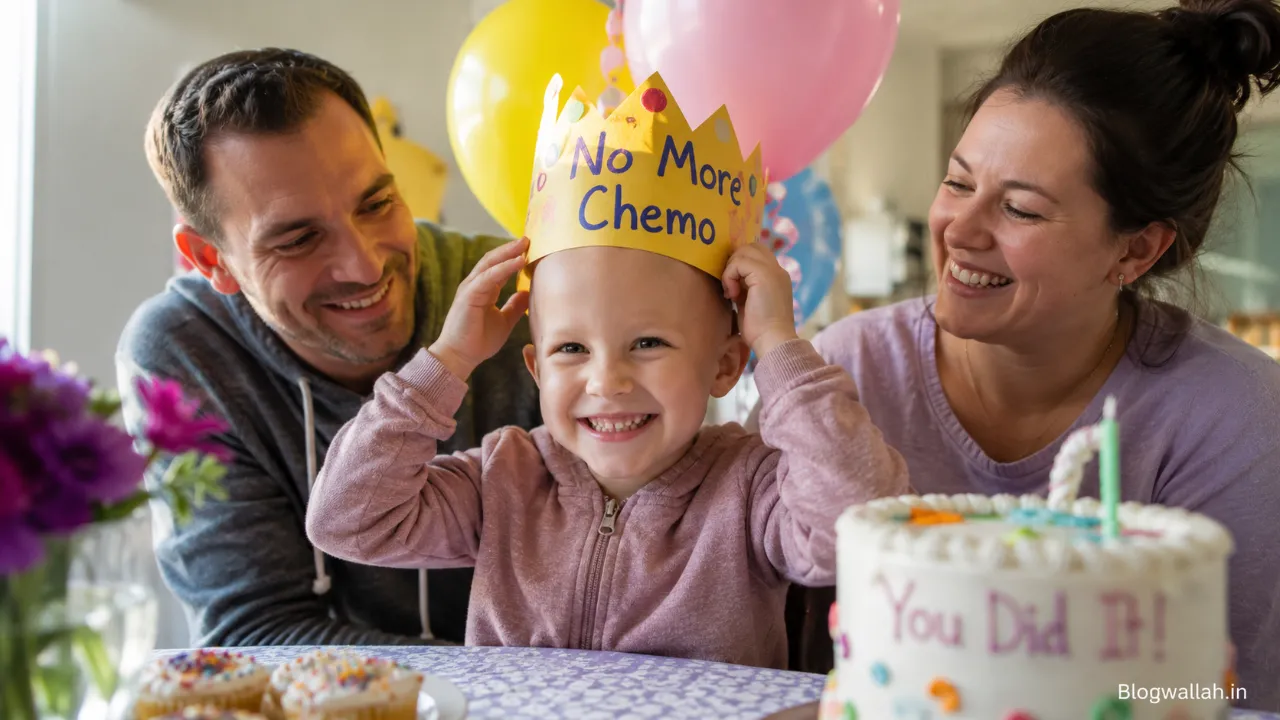
A Northern California family is celebrating a moment they had been waiting for through more than two difficult years: their 4-year-old daughter’s final chemotherapy pill.
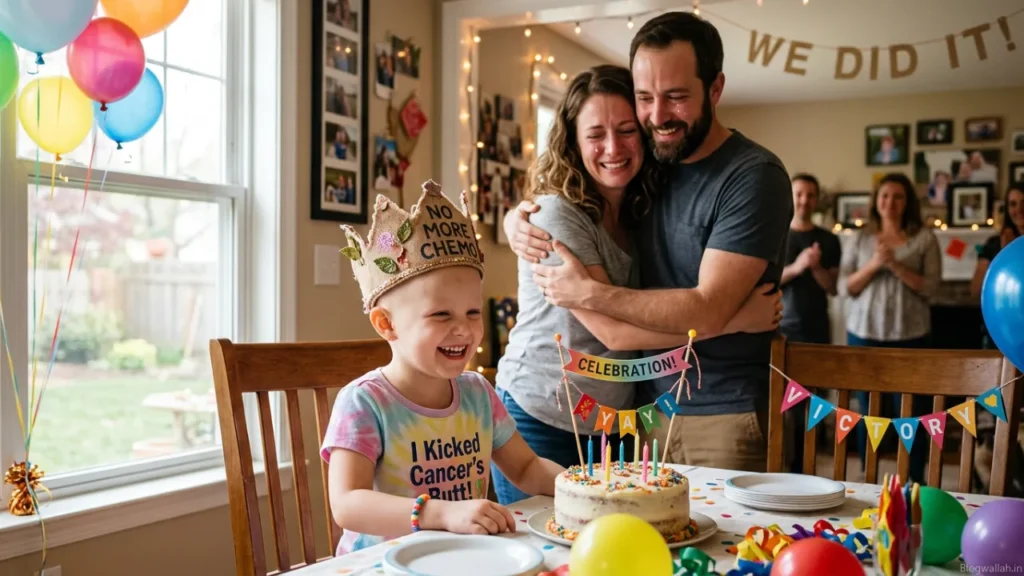
Lola Xiong, who was diagnosed with leukemia when she was just 2 years old, recently marked the end of her active chemotherapy treatment with a special family celebration. The emotional moment, complete with a “No More Chemo” crown and a “Peace Out Chemo” sign, has since touched people online as her family begins a new chapter after years of hospital visits, procedures, and uncertainty.
For her parents, Kristine Xiong and her husband, the day was more than a party. It was a milestone that symbolized survival, gratitude, and the hope of giving their daughter back the childhood that cancer interrupted.
A Final Chemo Pill Became a Family Celebration
According to PEOPLE, Lola’s mother, Kristine, prepared for the celebration with colorful decorations and paper garlands. She said the moment felt almost like planning a birthday party, except this celebration carried a much deeper meaning.
Lola’s final chemo pill came after more than two years of treatment. Her leukemia journey began in January 2024, after her parents noticed bruising and other symptoms that became increasingly concerning.
What followed was a long medical journey filled with chemotherapy, hospital stays, lab work, and painful procedures. For a young child, that meant much of her early life was shaped by treatment routines most adults would struggle to endure.
Direct Answer: What Happened to Lola Xiong?
Lola Xiong, a 4-year-old girl from Northern California, celebrated taking her final chemotherapy pill after more than two years of leukemia treatment. Her family marked the milestone with a “No More Chemo” celebration, and the video of the moment went viral online.
However, finishing chemotherapy does not mean all medical care is over. Lola’s family said she will continue follow-up monitoring, including lab work, to watch for any signs of relapse.
Why the Story Is Connecting With So Many People
The reason Lola’s story is spreading is simple: it captures a kind of joy that comes only after fear.
For families facing childhood cancer, the end of active treatment can feel both beautiful and overwhelming. It is a moment of relief, but it also comes after months or years of emotional exhaustion.
Kristine told PEOPLE that watching her daughter reach this point made her think about everything Lola had been through — the hospital visits, the difficult procedures, and the sacrifices their family made along the way.
That emotional honesty is what gives this story its power. It is not just about a viral video. It is about a family finally being able to breathe after years of living from one appointment to the next.
The Signs That First Raised Concern
Lola’s parents first became concerned after noticing bruises on her body. At first, they thought the bruising might be normal childhood clumsiness. But when the bruises appeared in unusual areas and were paired with symptoms like fatigue, jaw pain, and refusal to eat, they knew something was wrong.
The American Cancer Society notes that childhood leukemia symptoms can include low energy, frequent infections or fevers, easy bruising or bleeding, bone or joint pain, appetite changes, and swollen lymph nodes, though many of these symptoms can also come from more common causes. Parents should speak with a doctor if concerning symptoms continue or worsen.
This part of Lola’s story may be especially important for parents. It does not mean every bruise is a warning sign, but it does show why parents should trust their instincts when symptoms feel unusual or do not go away.
What “Final Chemo” Means for a 4-year-old Child With Leukemia
For many families, “final chemo” is one of the most emotional phrases they can hear. It means the active chemotherapy plan has reached its endpoint. But it does not always mean the medical journey is completely finished.
The National Cancer Institute explains that children may continue to have follow-up tests or checkups after treatment ends to watch for changes or possible recurrence.
In Lola’s case, her family said she will return for monthly lab work during the first year after treatment and that doctors will continue following her care into adulthood.
That is why this milestone is both joyful and careful. Lola’s family can celebrate the end of chemotherapy, while still staying connected to the medical team that helped guide her through treatment.
A Viral Moment With a Deeper Message
The celebration video reportedly showed Lola wearing a “No More Chemo” crown, sitting behind a “Peace Out Chemo” sign, and blowing out candles as her family marked the end of treatment. The moment gained millions of views and brought supportive comments from people celebrating with the family online.
But beyond the social media attention, the story carries a bigger message about childhood cancer families: they often live through a private struggle that many people never fully see.
There are missed normal days. There are hospital nights. There are procedures, fear, and routines that become part of childhood far too early.
That is why a small celebration can feel enormous.
Also read;
West Ham Relegated Despite 3-0 Win Over Leeds on Premier League Final Day
Kyle Busch Sought Medical Attention During Race Weeks Before His Death
Bravo Brings Unscripted Microdramas to Peacock as Short-Form Streaming Gets Bigger
Why This Story Matters Right Now
Stories like Lola’s matter because they bring attention to the emotional side of pediatric cancer treatment. Medical treatment is not only about medicine. It affects family life, routines, parenting, siblings, school, and a child’s sense of normalcy.
The American Cancer Society says treatment for the most common childhood leukemias often involves chemotherapy, and follow-up care remains important after treatment because side effects or concerns can appear later.
For Lola’s family, the next chapter is about ordinary moments — the kind many families take for granted. A fever no longer automatically means rushing to the hospital. A regular day can feel like a gift. A child can begin to experience childhood with fewer medical interruptions.
A New Chapter for Lola and Her Family
Lola’s story is not only about cancer. It is about resilience, family love, medical care, and the power of hope after a long season of fear.
Her parents say they are grateful for the oncology team that became part of their lives during treatment. For families going through childhood cancer, doctors and nurses often become more than medical professionals. They become witnesses to the hardest days and the biggest milestones.
Now, as Lola moves forward after chemotherapy, her family is focused on gratitude and the simple beauty of normal life.
Conclusion
Lola Xiong’s final chemo celebration is the kind of story that reminds people why small moments can carry enormous meaning. A crown, a sign, a candle, and a final pill became a symbol of everything her family survived together.
Her treatment journey may still include monitoring, but the end of chemotherapy marks a powerful new beginning — one filled with hope, relief, and the chance for Lola to enjoy more of the childhood she deserves.
FAQ Section
Who is Lola Xiong?
Lola Xiong is a 4-year-old girl from Northern California who recently celebrated taking her final chemotherapy pill after more than two years of leukemia treatment.
Why did Lola’s final chemo celebration go viral?
The celebration went viral because it showed an emotional “No More Chemo” moment after a long childhood cancer journey.
Does final chemo mean cancer treatment is completely over?
Final chemo means active chemotherapy has ended, but children often still need follow-up care, lab work, and monitoring after treatment.
What symptoms led Lola’s family to seek medical help?
Her family noticed unusual bruising, fatigue, jaw pain, and refusal to eat before her leukemia diagnosis, according to PEOPLE.
Why do children need follow-up care after leukemia treatment?
Follow-up care helps doctors monitor recovery, check for possible relapse, and watch for late effects from treatment.
1 thought on “4-Year-Old Celebrates Final Chemo After Leukemia Battle”